

The short version: housing is the big savings. Taxes are closer to a wash than most people expect.
I moved to the Treasure Valley from Portland in 2025, so I’ve made the Pacific Northwest-to-Idaho move myself. The Seattle version has one big difference from mine: Washington has no income tax on wages, and Idaho does. That changes the math, so this guide walks through it honestly.
Everything here is current as of October 2026 and sourced at the bottom of the page.
Seattle vs. Boise at a glance
| Seattle area | Boise / Treasure Valley | |
|---|---|---|
| State income tax | None on wages9.9% on income over $1M enacted for 2028 | Flat 5.3% |
| Sales tax | 10.55% in Seattle | 6% state, no added local tax in the valley |
| Capital gains tax | 7% on long-term gains above about $262,0009.9% above $1M; home sales exempt | Taxed as regular income at 5.3% |
| Estate tax | Yes: $3M exemption, rates up to 20% | None |
| Tax when you sell a home | Real estate excise tax: 1.1% to 3% state, plus local | No transfer tax |
| Property tax (statewide effective rate) | 0.75% | 0.50% |
| Overall prices (U.S. = 100, 2024) | 111.1 | 98.4, about 11% lower |
| Rents (U.S. = 100, 2024) | 151.3 | 105.6, about 30% lower |
| Median sale price, Sept 2026 | King County $850,000 Snohomish $720,000 Pierce $575,000 | Ada County $575,000 Canyon County $443,523 |
| Average yearly precipitation | 39.3 inches (Sea-Tac) | 11.5 inches (Boise) |
| Getting back to Seattle | About 490 miles, roughly 8 hours by car, or a short nonstop flight from Boise Airport | |
Price levels are U.S. Bureau of Economic Analysis Regional Price Parities for the Seattle-Tacoma-Bellevue and Boise City metro areas. Washington medians are NWMLS residential plus condo closed sales; Idaho medians are Intermountain MLS closed sales as reported for September 2026.
Taxes: what you gain and what you give up
For most Seattle households, taxes don’t drive this move. You pick up an income tax, and you drop several Washington taxes that hit harder than people realize.
What you start paying
- Idaho income tax: a flat 5.3%. As a rough guide, that’s about $5,300 for every $100,000 of Idaho taxable income. Capital gains, including stock you sell after you move, are taxed at the same rate.
What you leave behind
- Seattle’s 10.55% sales tax. The Treasure Valley is 6%. Idaho does tax groceries, but offers a grocery credit on your state return.
- Higher property tax. Washington’s statewide effective rate is 0.75%, Idaho’s is 0.50%, and Idaho’s homeowner’s exemption takes 50% of your home’s value (up to $125,000) off the taxable amount.
- Washington’s capital gains tax on long-term gains above about $262,000, and its estate tax on estates over $3 million. Idaho has neither.
- The real estate excise tax on your next sale. Idaho has no transfer tax.
- WA Cares premiums come off your paycheck once you’re no longer working in Washington. See the checklist below if you want to keep that coverage.
- The new 9.9% tax on income over $1 million, set to start in 2028. It faces a pending lawsuit, and Initiative 645 on the November 2026 ballot would repeal it.
An illustration: where a typical household lands
Here’s a hypothetical household with $120,000 of Idaho taxable income, $30,000 a year in taxable purchases, and a home at each county’s median price.
| Change per year | Amount |
|---|---|
| New Idaho income tax (5.3% of $120,000) | +$6,360 |
| Lower sales tax (10.55% vs. 6% on $30,000) | −$1,365 |
| Lower property tax ($850,000 at 0.75% vs. $575,000 at 0.50%) | −$3,500 |
| Net change in these taxes | About +$1,500 |
So taxes go up a little for this household. Now look at the mortgage: buying at Ada County’s median instead of King County’s, with 20% down at 7.5%, cuts principal and interest by about $1,538 a month, or roughly $18,500 a year.
Illustrative only. Real Idaho tax depends on your deductions and credits; property tax uses statewide average rates, before Idaho’s homeowner’s exemption; the mortgage comparison is principal and interest on loans of $680,000 and $460,000. Talk to a tax professional, especially if you have stock compensation.
This is the Seattle-specific trap. Gains you realize after you become an Idaho resident are Idaho-taxable, and stock compensation that vests around your move may be split between states. Washington’s capital gains tax and its exemptions work differently. Before you pick a moving date, ask a CPA to look at your vesting schedule and any planned sales.
Home prices and what your equity buys
This is where the move pays off. In September 2026, Ada County’s median sale price was about $275,000 below King County’s, and Canyon County’s was lower still. Tacoma-area prices, by contrast, are roughly on par with Ada County.
| County, September 2026 | Median sale price |
|---|---|
| King County, WA | $850,000 |
| Snohomish County, WA | $720,000 |
| Pierce County, WA | $575,000 |
| Ada County, ID Boise, Meridian, Eagle, Kuna | $575,000 |
| Canyon County, ID Nampa, Caldwell | $443,523 |
Two Washington costs come out of your equity on the way out:
- Real estate excise tax. On an $850,000 sale, the state portion is about $9,935, plus local REET that commonly adds 0.25% to 0.5% (roughly $2,125 to $4,250). The seller usually pays it. State thresholds rise slightly on January 1, 2027.
- Normal selling costs, like commissions you negotiate, prep and closing costs. Use my True Cost of Moving calculator to see what you’d actually net.
The good news on the Idaho side: there’s no transfer tax when you buy. Your federal home-sale exclusion ($250,000 single, $500,000 married filing jointly, if you qualify) doesn’t change with the move, and Washington’s capital gains tax doesn’t apply to selling real estate.
Medians hide a lot. Price depends on neighborhood, home age and lot size, so I’m happy to pull current sales for the exact areas you’re weighing.
Where Seattle movers tend to look
The Treasure Valley runs east to west along I-84. Boise sits against the foothills on the east end; Meridian is in the middle; Nampa and Caldwell anchor the west. If you know what you liked about where you live now, here’s a starting point.
| If you like… | Start by looking at |
|---|---|
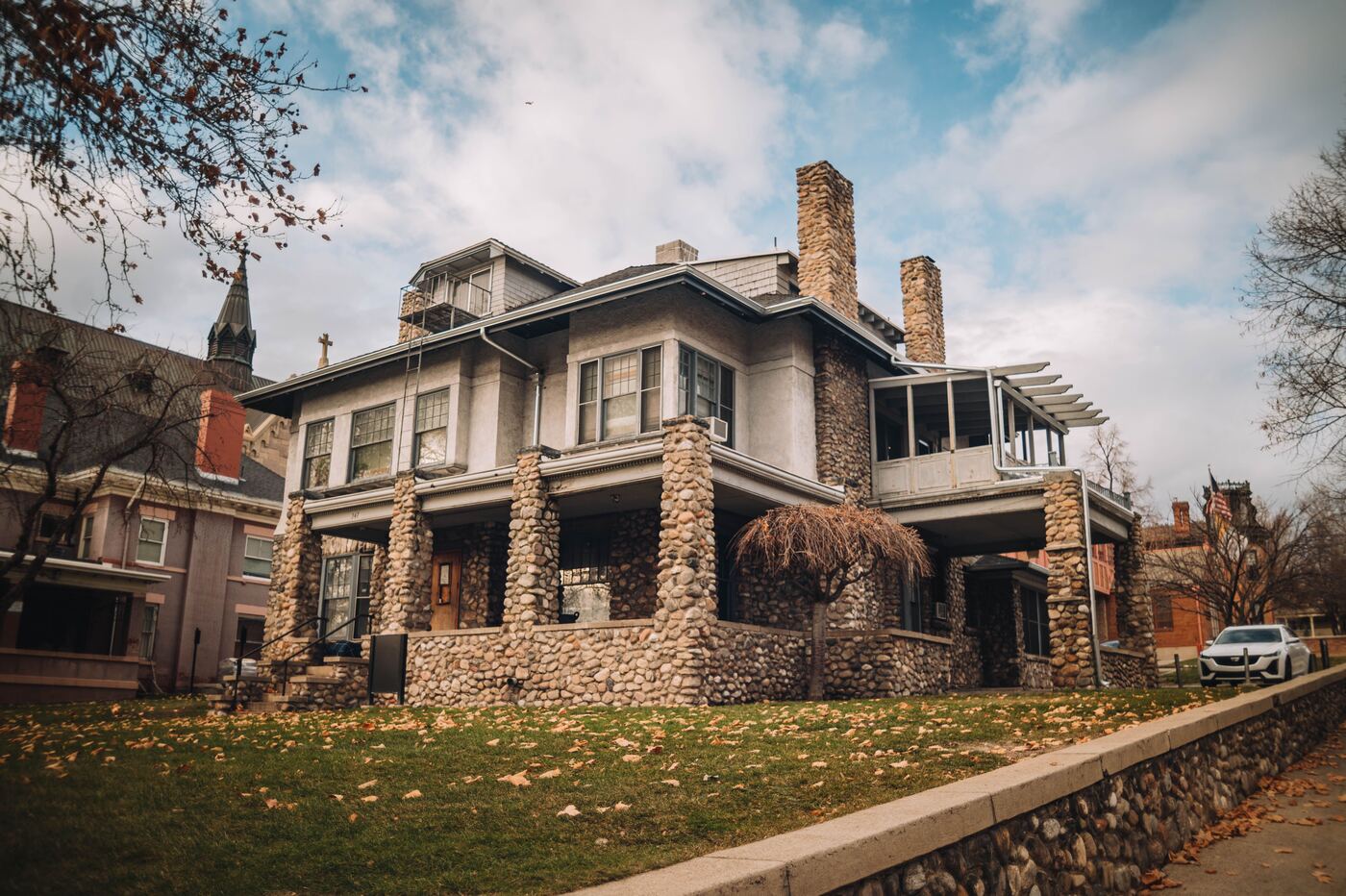
| Walkable, older neighborhoods near downtown, like Capitol Hill, Ballard or Wallingford | Boise’s North End, East End and downtown |
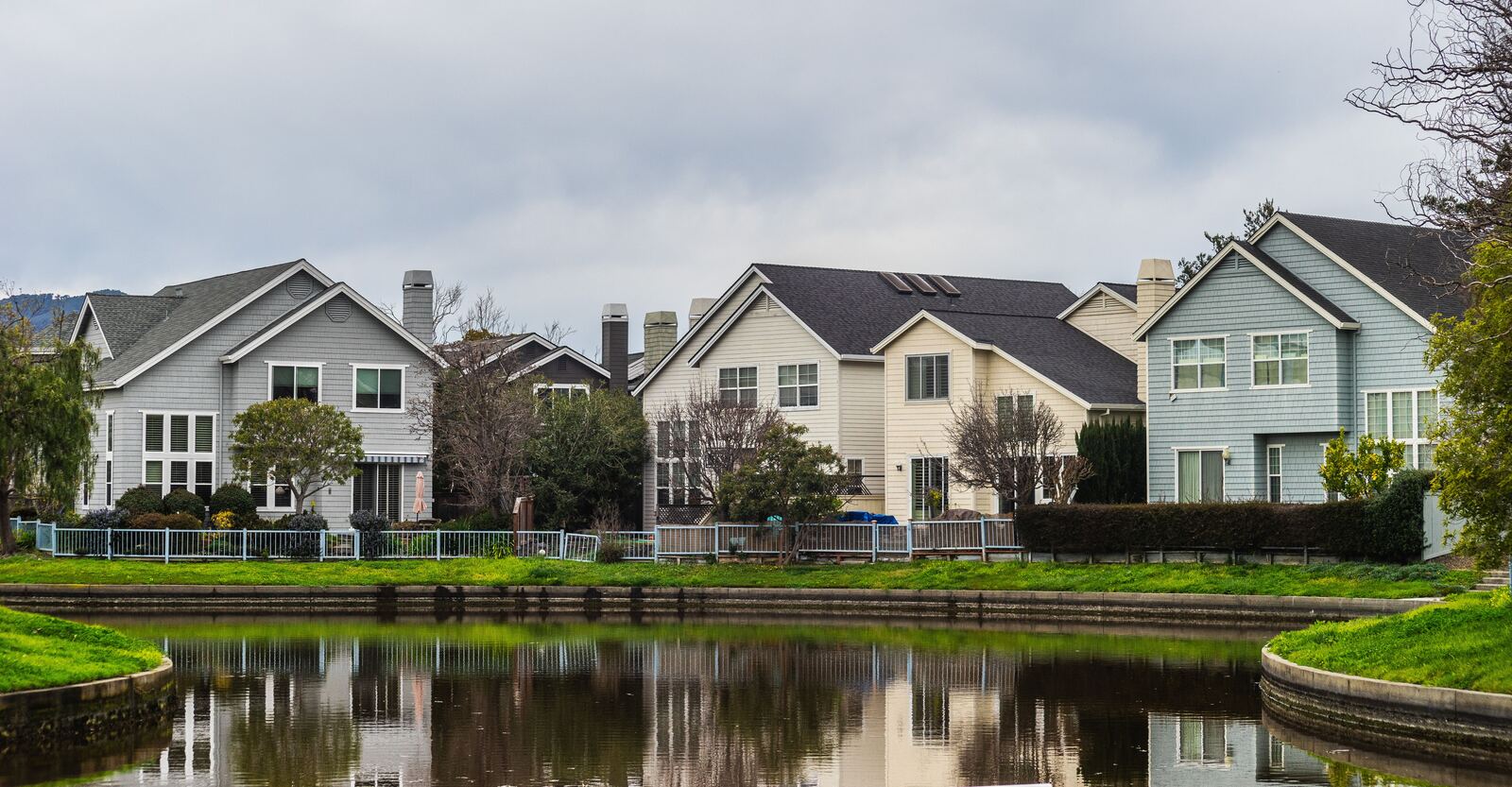
| Newer homes and suburban convenience, like Sammamish, Bothell or Mill Creek | Meridian, Eagle and Star |
| Trails out your door, like Issaquah or North Bend | East Boise, Harris Ranch and Barber Valley, or anywhere near the foothills |
| More house and land for the money, like south Pierce County | Kuna, Nampa and Caldwell |
| Working at Micron | Southeast Boise, close to the campus |
Off-peak drives into downtown Boise run about 20 to 25 minutes from Meridian or Eagle and 25 to 35 minutes from Nampa, Kuna, Star or Caldwell. Rush hour is longer, so see my commute cost map and the full Treasure Valley guide.
Work, commutes and weather
Jobs
The biggest employers include Micron (headquartered in Southeast Boise), St. Luke’s and Saint Alphonsus health systems, Boise State University and the State of Idaho. Albertsons, J.R. Simplot and Idaho Power are headquartered here too. The tech market is a fraction of Seattle’s, so many movers keep a remote Seattle job.
If that’s you, tell your employer early. Washington has no income tax withholding, so payroll has to start withholding Idaho tax once you move.
Commutes
Traffic is far lighter than I-5 or I-405, but it isn’t zero. I-84 and Eagle Road back up at rush hour. Living near where you work still matters.
Weather, honestly
Boise averages about 11.5 inches of precipitation a year, versus about 39 at Sea-Tac. Expect hot, dry summers, a real winter with some snow, and far more sunshine. The trade-offs: some winters bring smoggy inversion days in the valley, and summer wildfire smoke happens here too. There’s no saltwater; instead you get the Boise River, Lucky Peak, the Payette and mountain lakes a few hours north.

Bogus Basin ski area is roughly 45 minutes from downtown, and the Ridge to Rivers trail system starts at the edge of town.
Your moving checklist
Idaho moves fast on paperwork. Once you live here, you have about 30 days for your license and car registration.
- Idaho driver’s license: apply within 30 days of living in Idaho.
- Vehicle registration: register your cars once Idaho has been your main residence for 30 continuous days. Some counties also require a VIN inspection.
- Homeowner’s exemption: if you buy a primary residence, apply with the county assessor. It takes up to $125,000 off your home’s taxable value.
- WA Cares: if you’ve worked at least 500 hours a year in Washington for three years since July 2023, you can elect to keep coverage, but you must do it within one year of establishing residence outside Washington. Out-of-state benefits begin in July 2030.
- Payroll and taxes: switch your withholding to Idaho, and plan for a part-year Idaho return in your move year.
- Utilities: Idaho Power for electricity and Intermountain Gas for natural gas. Water, sewer and trash vary by city.
- Irrigation water: many neighborhoods have separate pressurized irrigation for lawns. Ask who bills it and when it turns on.
- Voter registration: once you have your Idaho license or ID card, register with your county clerk.
Confirm current requirements with the Idaho Transportation Department, your county assessor and the WA Cares Fund before you move.
Questions Seattle movers ask
Is it actually cheaper to live in Boise than Seattle?
Yes, for most households. Overall prices in the Boise metro run about 11% below Seattle’s, rents about 30% lower, and Ada County’s median home price was about $275,000 below King County’s in September 2026. Idaho’s income tax offsets part of the savings, so run your own numbers.
Will I pay more in taxes in Idaho than in Washington?
Possibly a little. You’ll pay Idaho’s flat 5.3% income tax, but lower sales and property taxes offset part of it, and Idaho has no estate tax, separate capital gains tax or transfer tax. Higher earners and anyone with stock compensation should talk to a tax professional before moving.
How far is Boise from Seattle?
About 490 miles, roughly 8 hours by car through eastern Washington and Oregon. Nonstop flights from Boise Airport make quick trips back easy.
What do Seattle transplants miss most?
Usually the water, the food scene and a bigger job market. What they gain is more sunshine, less traffic, and a lot more house for the money.
Should I sell in Seattle first or buy in Boise first?
It depends on your equity, your financing and how much overlap you can handle. Talk to a lender early. I can connect you with local lenders and coordinate timing with your Seattle agent.