What to know before you tour your first home, from pre-approval to the day you get the keys.
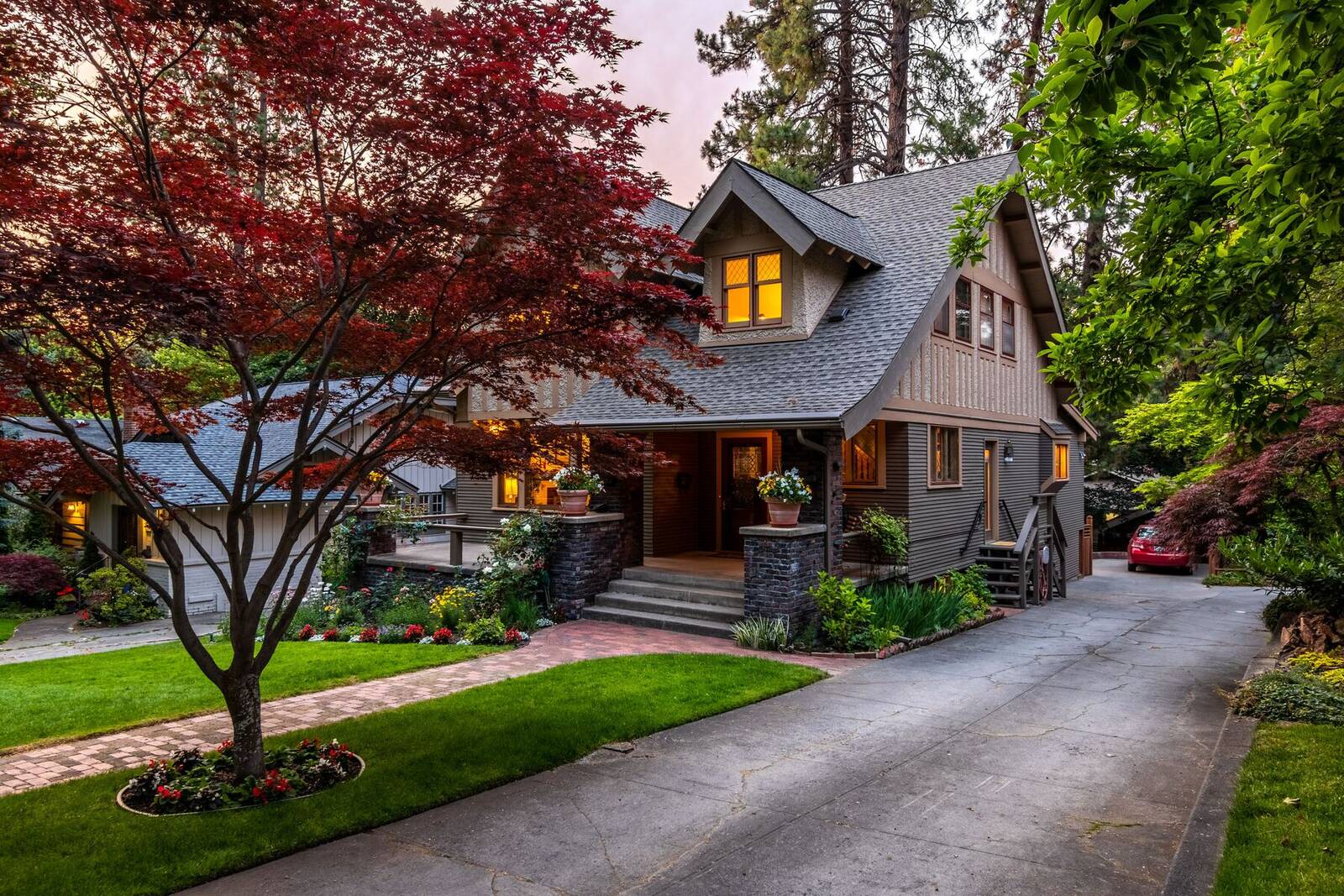
Before we tour a single house, a lender confirms what you can actually spend. It sharpens the search and makes your offer credible the moment you find the one.
Commute, yard size, one-story versus two — we separate the must-haves from the nice-to-haves so we're not wasting weekends on the wrong homes.
I walk every showing with you and point out what a listing photo won't — foundation, roof age, layout quirks — so you're deciding with full information.
I'll show you comparable sales so you know exactly what a fair number looks like, then negotiate on your behalf without pressure tactics.
I attend the inspection with you, walk through every repair request, and stay on top of the lender and title company so closing day goes smoothly.
Idaho is one of about 10 states with no requirement to publicly disclose what a home sold for. That's why online value estimates can be off here, and why comparable sales pulled from the MLS matter so much when you decide what to offer.
Most sellers must give you a property condition disclosure within 10 days of accepting your offer. If it reveals something you object to, you have 3 business days after receiving it to rescind in writing. Read it the day it arrives, and we'll go through it together.
Idaho doesn't charge a real estate transfer tax, so that's one closing cost you won't see here.
If the home is your primary residence, Idaho's homeowner's exemption takes 50% of the home's value (up to $125,000) off its taxable value. You have to apply with the county assessor. In Ada County, applications by April 15 get the full exemption for the year, and later applications are prorated.
Many Treasure Valley neighborhoods have pressurized irrigation, untreated water for lawns and gardens, run by the city, an HOA or an irrigation district. It usually runs spring through fall and comes with its own fee. Ask who provides it before you buy.
Sources: Idaho Capital Sun; Idaho REALTORS® on the Property Condition Disclosure Act; Idaho State Tax Commission; Ada County Assessor. General information, not legal advice.
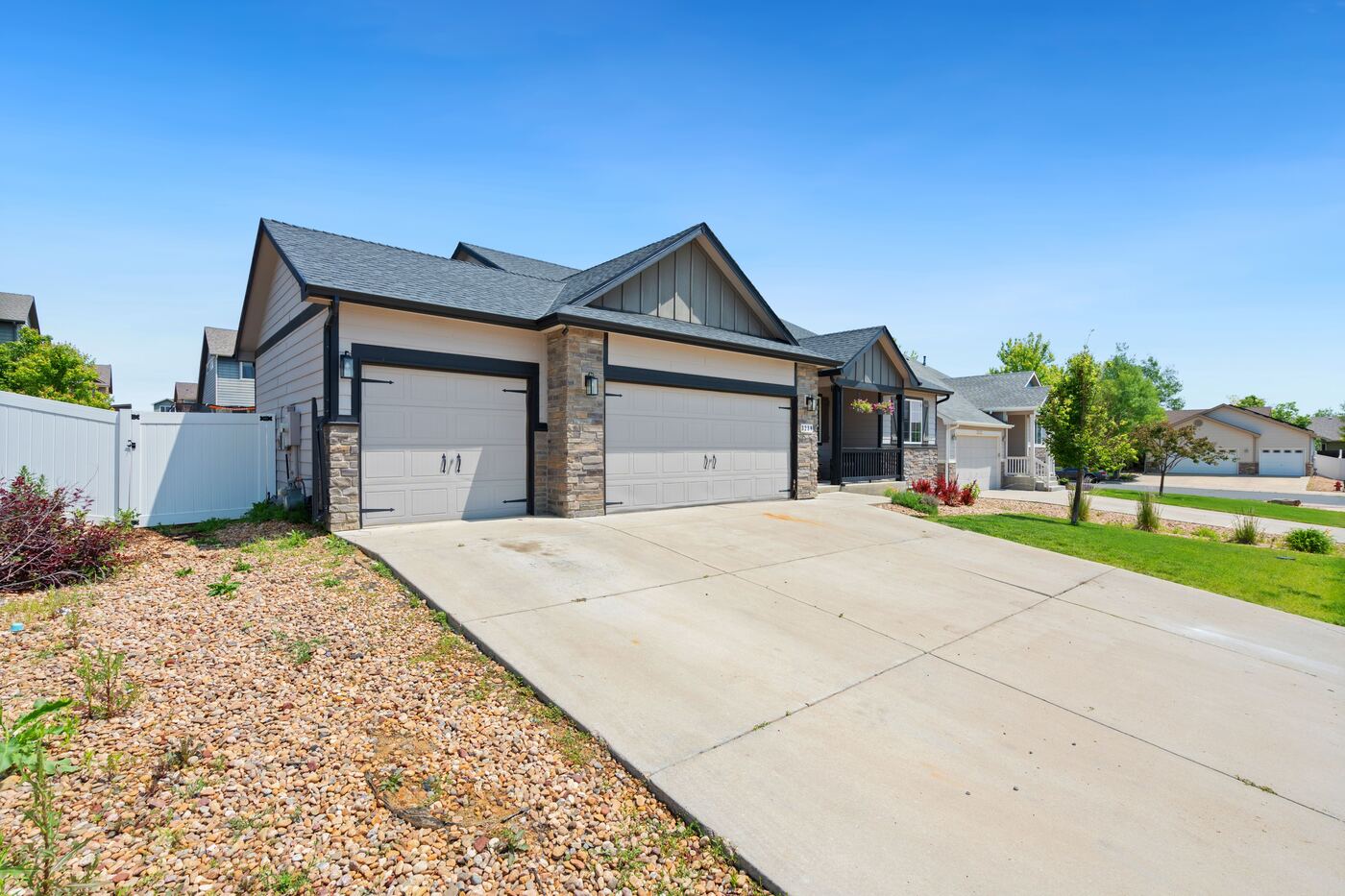
New homes are a big part of this market. In early August 2026, new construction made up about 55% of homes pending sale in Ada County and about 61% in Canyon County, based on Intermountain MLS data reported by Better Homes and Gardens Real Estate 43 North.
Builders can be a great option, especially when they offer rate buydowns or closing-cost help. Just remember the sales rep works for the builder.
| Term | What it means for you |
|---|---|
| Earnest money | A good-faith deposit held by the title company and credited to you at closing. There's no set amount in Idaho; it's part of the negotiation. You can lose it if you back out for a reason the contract doesn't allow. |
| Inspection contingency | Your window to inspect the home and ask for repairs or credits, or walk away. The deadline is whatever your contract says, so we calendar it the day your offer is accepted. |
| Appraisal | Your lender's check on value. If it comes in below your price, you can renegotiate, bring extra cash to cover the gap, or (depending on your contract) walk away. |
| Financing contingency | Protects you if your loan falls through for reasons outside your control. |
| Seller credits | Money from the seller toward your closing costs or a rate buydown. Often more valuable than the same amount off the price. |
| Closing and possession dates | When the sale closes and when you get the keys. Flexibility here can make your offer stronger without costing you money. |
Every contract is different. These are plain-English summaries, not legal advice.
Most first-time buyers assume they need 20% down — very few actually do. Here's a quick look at the main loan types available in Idaho.
| Loan Type | Min. Down Payment | Min. Credit Score | Best For |
|---|---|---|---|
| Conventional | 3–5% | ~620 | Strong credit, avoiding mortgage insurance long-term |
| FHA | 3.5% | ~580 | Lower credit scores, smaller down payments |
| VA | 0% | No set minimum | Veterans, active-duty service members, some spouses |
| USDA | 0% | ~640 | Eligible rural areas outside the Boise/Meridian core |
Figures are general program minimums, last reviewed September 2026, and vary by lender. A loan officer will confirm exactly what you qualify for. I work with several local lenders and I'm happy to make an introduction.
The Idaho Housing and Finance Association (IHFA) offers a second-mortgage program that can cover a meaningful chunk of your down payment and closing costs — up to 8% of the purchase price, at a fixed rate roughly 2% over your first mortgage rate, paid off over 15 years. A minimum personal contribution and a short homebuyer education course are required, and household income limits apply (generally up to $170,000, though this changes year to year). It's not free money, but it can be the difference between renting another year and buying now. Source: Idaho Housing and Finance Association, last verified September 30, 2026. Terms change, so confirm current details with a participating lender. Read the full breakdown of Idaho's homebuyer programs →
On top of your down payment, plan for closing costs of roughly 2–5% of the purchase price — this covers things like loan origination fees, appraisal, home inspection, title insurance, and prepaid property tax/insurance. On a $450,000 home, that's typically somewhere between $9,000 and $22,500. Some of this can be negotiated as a seller credit, especially in a slower market — worth discussing before you write an offer.
Use the mortgage calculator to estimate a payment based on your price range, down payment, and today's rates.
Try the Mortgage CalculatorMany buyers put down far less than 20%. Conventional loans can start at 3 to 5% down, FHA at 3.5%, and VA and USDA loans at 0% for eligible buyers. Idaho Housing and Finance Association also offers down payment assistance of up to 8% of the purchase price for qualifying buyers.
Idaho is one of about 10 states that doesn’t require sale prices to be publicly disclosed, so websites have less data to work from. Comparable sales from the MLS give a more accurate picture.
You aren’t required to have one, but the builder’s sales rep represents the builder. If you want your own representation, many builders require your agent to be with you or registered at your first visit.
If the home is your primary residence, Idaho exempts 50% of the home’s value, up to $125,000, from property tax. You apply with your county assessor; in Ada County, apply by April 15 for the full exemption that year.
A typical financed purchase closes about 30 to 45 days after your offer is accepted. Cash purchases can close faster.
My field guide to the Treasure Valley's 7 cities covers real prices, climate, jobs, and the tradeoffs between Boise, Meridian, Eagle, Kuna, Nampa, and Caldwell.
Explore the CitiesLet's talk through your budget, timeline, and what you actually need before you look at a single listing.
Build My Home Search